
The discipline
What is railway civil engineering?
Everything on the railway that is built, rather than powered or signalled — and that has to keep working while trains run over it.
The assets
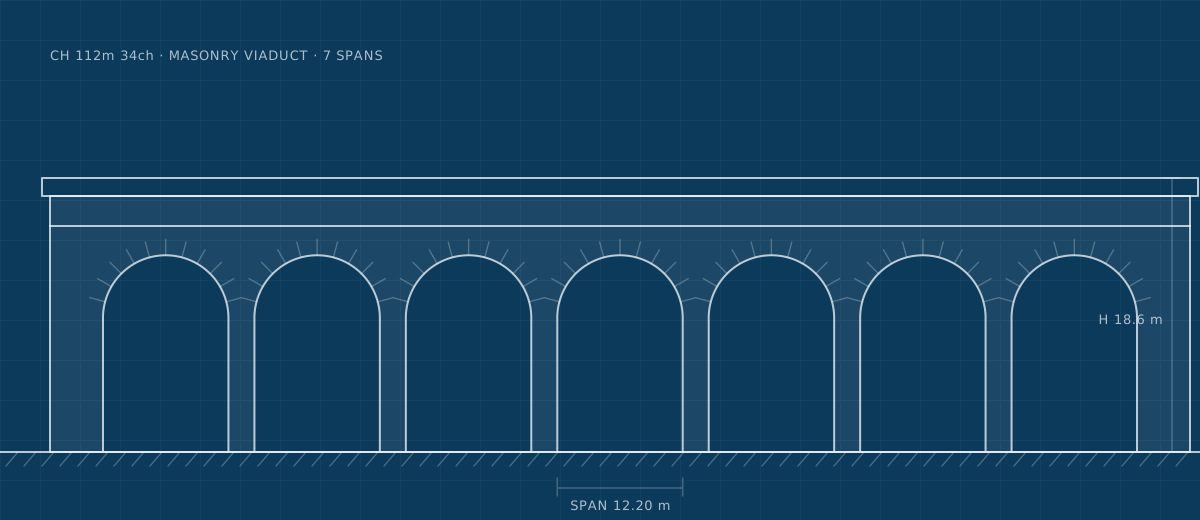
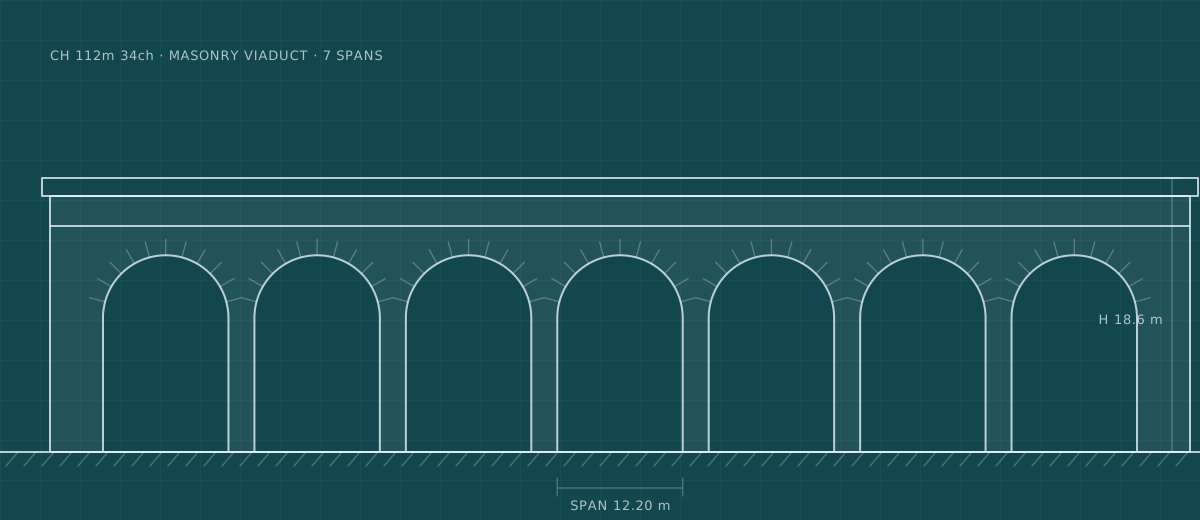
Structures
Bridges, viaducts, culverts and retaining walls — many over 150 years old and still in daily use.
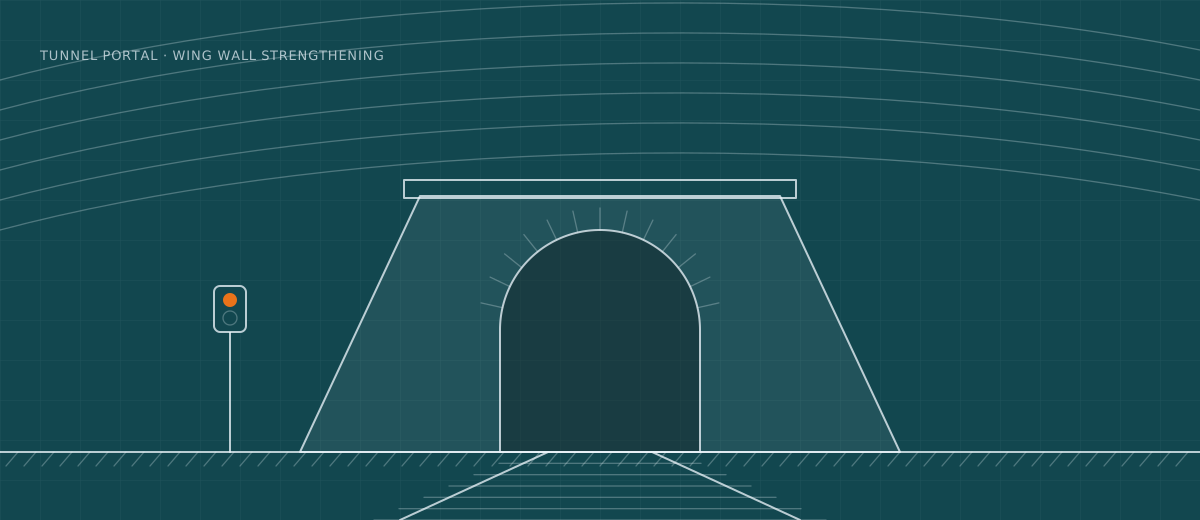
Tunnels
Portals, linings, shafts and drainage — inspected and renewed in short possessions.
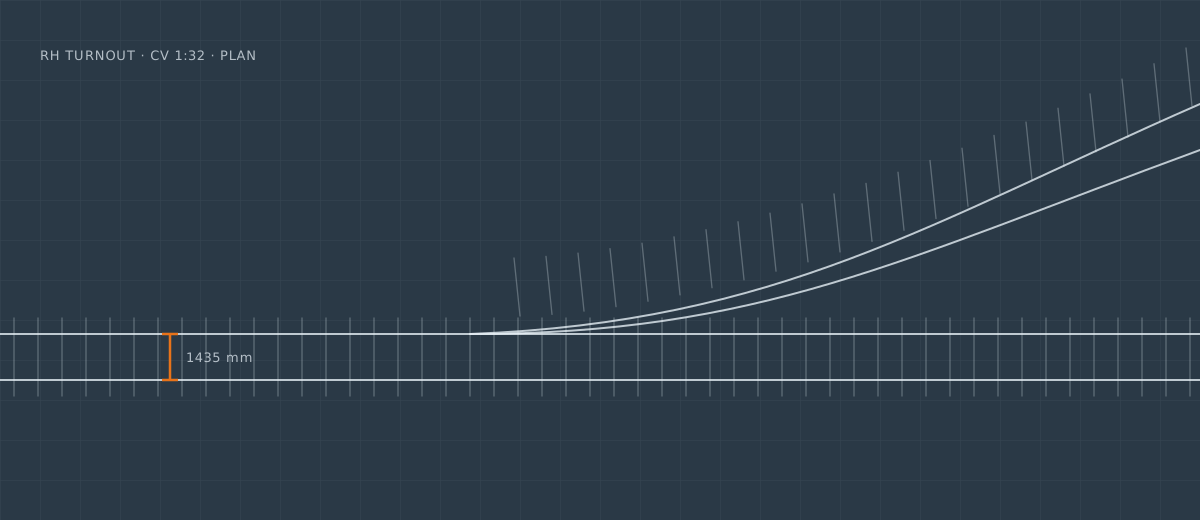
Track
Rails, sleepers, ballast and switches set to millimetre tolerances for speed and comfort.
Stations
Platforms, canopies and trainsheds renewed around millions of passengers.
The people who do it
Asset engineerOwns the condition and risk of a route’s structures or earthworks and decides what gets renewed.
DesignerDesigns new structures and interventions to railway standards, often under tight access constraints.
Contractor’s engineerPlans and delivers the work on site, usually in overnight or weekend possessions.
ExaminerInspects assets on a regular cycle and records their condition.
Track engineerMaintains geometry, renews track and designs switches and crossings.
Geotechnical engineerLooks after cuttings, embankments and the ground beneath the railway.
Ways in
Degree
A civil engineering degree, then a graduate scheme with an infrastructure owner, contractor or consultancy.
Apprenticeship
Earn while you learn — from Level 3 technician up to degree apprenticeships.
Career change
Engineers from other sectors bring valuable skills; many move across mid-career.